Makkah Ziyarat Guide
Makkah Ziyarat Taxi — Private Tours to All Holy Sites 2026
A complete private-transport guide to Makkah’s most meaningful historical and devotional sites, including route structure, spiritual context, and practical family planning.
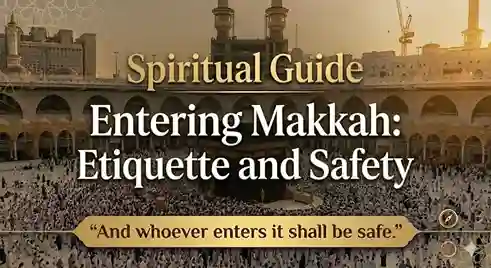
Why Makkah Ziyarat is planned as a reflective journey, not a rushed tour
Makkah Ziyarat has deep emotional weight for pilgrims because each site links to pivotal moments from the life of the Prophet ﷺ and the early Muslim community. For many families, this day becomes one of the most spiritually memorable parts of the journey. Because of that, route planning should prioritize reflection and practical comfort, not aggressive stop counts.
Private taxi planning helps by allowing your group to choose a realistic sequence and stop duration. Some families prefer to focus on fewer sites with deeper reflection; others complete a broader route with short educational stops. Both approaches are valid if timing and expectations are set clearly before departure.
A typical city circuit can run 3 to 5 hours for core sites, while expanded routes may take longer depending on weather, prayer windows, and mobility needs. The key is to match your spiritual priorities to a feasible transport pace, so ibadah remains centered and physically manageable.
Jabal al-Noor (Cave Hira): revelation context and taxi planning from Haram
Jabal al-Noor is among the most visited Makkah Ziyarat destinations because it contains Cave Hira, where the first revelation was received. Even for pilgrims who do not climb, standing near this mountain carries a profound emotional connection to the beginning of Qur’anic revelation. The site naturally invites quiet reflection and gratitude.
From Haram-side hotels, private taxi planning keeps this visit practical by reducing unnecessary walking in city traffic and aligning pickup with your desired departure window. The fixed Makkah Ziyarat sedan fare starts from 250 SAR, with larger classes available for family comfort. For groups with elders, many choose a base-area visit without climbing to keep the day safe and meaningful.
Jabal Thawr: Hijrah significance and access difficulty
Jabal Thawr is deeply tied to the Hijrah narrative, when the Prophet ﷺ and Abu Bakr (RA) sheltered in the cave. This historical memory gives the site strong spiritual significance for pilgrims seeking a fuller understanding of Islamic history beyond central city landmarks.
Access conditions can be demanding, and not every traveler should attempt strenuous climbing. A private taxi is therefore useful even for those planning only a base-area reflection stop. Families can decide in real time whether to proceed further based on weather, energy, and safety, without losing control of return transport.
Mount Arafat (Jabal ar-Rahmah): Hajj memory and devotional awareness
Arafat carries extraordinary symbolic significance in the Hajj journey and is remembered for the Farewell Sermon. Visiting this zone in a Ziyarat context gives pilgrims a stronger conceptual understanding of ritual geography and the spiritual narrative of pilgrimage seasons.
In practical terms, Arafat stops should be timed with weather comfort and hydration planning. Private transport makes this easier because your group can regulate stop duration instead of adapting to rigid bus timelines. Families traveling with seniors often keep this stop calm and concise to preserve energy for the rest of the route.
Mina and Muzdalifah: understanding ritual locations through guided movement
Mina and Muzdalifah are often visited as part of wider Makkah Ziyarat orientation, particularly for pilgrims preparing for future Hajj understanding. Seeing these spaces physically helps families connect ritual terms with real geography, making future planning more concrete and meaningful.
Because these zones involve broader road movement rather than one single landmark experience, route sequencing matters. A private taxi enables cleaner progression between points and keeps your day coherent without rushed transitions or missed turnbacks in high-traffic corridors.
Jannat al-Mu'alla and Masjid Ayesha (Taneem): devotion with practical timing
Jannat al-Mu'alla carries profound historical importance as a cemetery connected with key early Islamic figures. Pilgrims generally approach this stop with quiet adab, short reflection, and respectful pacing. Transport planning should reflect that mood by avoiding rushed arrival and rushed departure.
Masjid Ayesha is commonly visited for Miqat preparation and can be booked as a dedicated round trip from Haram hotels. Fixed round-trip pricing starts from 150 SAR for sedan class. Many families request a wait window to complete preparation calmly before return. Keeping this segment intentionally separate often improves focus and lowers time pressure.
Makkah Ziyarat price references
| Route | Sedan | Staria | Yukon | Hiace | Coaster |
|---|---|---|---|---|---|
| Makkah Ziyarat Sites (3–5 hours) | 250 SAR | 300 SAR | 450 SAR | 400 SAR | 600 SAR |
| Masjid Ayesha Round Trip | 150 SAR | 200 SAR | 250 SAR | 200 SAR | 450 SAR |
How to structure your day for spiritual focus and physical comfort
A practical Makkah Ziyarat day starts with clear priority: choose the top 3 to 5 sites that matter most for your group. This prevents “checklist fatigue” and leaves room for proper reflection at each location. If your family includes elders, set realistic stop durations and avoid overloading the same day with both intense climbing and long-distance city movement.
We recommend sharing complete details in one message before confirmation: pickup location, preferred start time, stop list, passenger count, luggage profile, and mobility needs. This single summary helps dispatch lock the right vehicle and route order from the beginning.
For deeper preparation, review related resources at /rates/ziyarat-makkah and /journal/makkah-ziyarat-guide-2026.
Balancing devotion, heat, and mobility needs across a full Ziyarat day
Makkah site days are most successful when spiritual intention and physical readiness are planned together. In peak months, heat, walking intensity, and repeated boarding can drain energy quickly, especially for elderly pilgrims. A realistic schedule should include hydration breaks, short rest pauses, and optional stop flexibility instead of forcing every location into one fixed rush sequence.
Families traveling with children often benefit from a “core-plus-optional” structure: lock your top devotional stops first, then add secondary locations only if time and energy allow. This preserves calm and prevents the day from becoming transport-heavy. It also improves the quality of reflection at each site because your group is not moving under constant timing pressure.
For operational clarity, compare route details at /rates/ziyarat-makkah and keep one confirmed message thread for timing updates. If your itinerary includes Masjid Ayesha in the same day, state that clearly during booking so route order and wait windows are aligned from the start.
Makkah Ziyarat FAQs
Detailed answers for route coverage, timing, and practical planning.
What places are usually included in a full Makkah Ziyarat day?▼
Most full-day itineraries include Jabal al-Noor (Cave Hira), Jabal Thawr, Arafat, Mina, Muzdalifah viewpoints, Jannat al-Mu'alla, and often Masjid Ayesha as a separate or extended stop.
How much is a private Makkah Ziyarat taxi from Haram hotels?▼
Makkah Ziyarat route pricing starts from the fixed sedan fare listed on /rates/ziyarat-makkah, with larger classes available for families and groups.
Can driver wait while we complete visits at each site base?▼
Yes. Waiting and stop sequencing are planned in advance so your group can visit each location without rushed back-and-forth coordination.
Is Jabal Thawr suitable for elderly pilgrims?▼
Jabal Thawr has more demanding access compared with city-level sites. Many families do a base visit for reflection and skip climbing for elders.
Can we combine Masjid Ayesha with Makkah Ziyarat in one booking?▼
Yes. You can combine both in one itinerary or keep Masjid Ayesha as a separate focused round trip depending on your Ihram preparation plan.
What is the best start time for Makkah Ziyarat?▼
Morning starts are often most practical for weather and traffic, but final timing should align with your worship schedule and family readiness.